
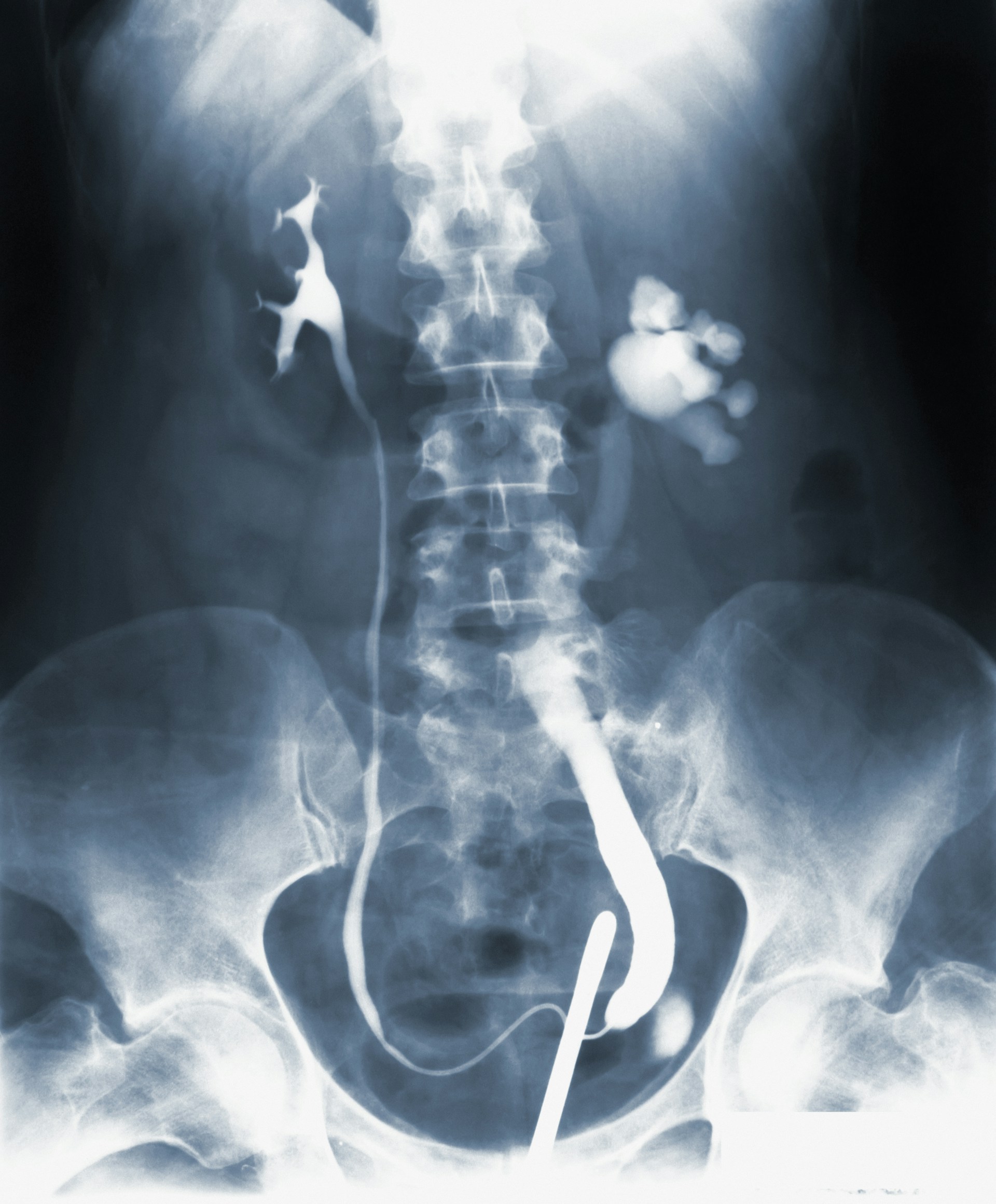
Top bad habits to damage kidneys
This article describes what habits are not good forthe kidneys
LIFE STYLE AND HABITSHEALTH AND FITNESSKIDNEYS HEALTHCAN KIDNEY HEALTH BE IMPROVEDWHAT ARE THE BAD SYMPTOMS FOR KIDNEYKIDNEY HEALTH FOR ALLKIDNEY HEALTH HOW TO IMPROVE
umefahad
6/19/20252 min read


Introduction:
The kidneys are vital organs that play a crucial role in maintaining our overall health. Each kidney functions as a natural filter, removing waste products and excess fluids from the blood, regulating blood pressure, balancing electrolytes, and supporting the production of red blood cells. Recognizing their significance, nature has gifted us two kidneys—not only to enhance efficiency but also to provide a backup in case one becomes damaged or fails.
While the body can function with one healthy kidney, damage to both can lead to serious health complications, including chronic kidney disease or even kidney failure. Unfortunately, many everyday habits, often unnoticed, can silently harm these essential organs over time. In this blog, we will explore the common lifestyle choices and habits that can damage the kidneys, and why protecting them should be a lifelong priority.
Top Habits That Can Damage Your Kidneys
Our daily routines can have a significant impact on kidney health. While the kidneys are resilient organs, certain harmful habits—when repeated over time—can lead to lasting damage. Below are some common lifestyle choices that can silently affect kidney function:
1. Holding Urine for Long Periods
Delaying urination regularly can put excessive pressure on the bladder and kidneys. This habit increases the risk of urinary tract infections (UTIs) and can cause kidney inflammation over time. It's essential to respond to nature's call promptly to protect your urinary system.
2. Inadequate Water Intake
Drinking less than 8 glasses of water a day may lead to dehydration, which makes it difficult for the kidneys to remove toxins and waste from the body efficiently. Chronic dehydration can also lead to kidney stones and other complications.
3. Excessive Salt Consumption
A high-sodium diet can raise blood pressure and increase the workload on your kidneys. Over time, excessive salt intake may damage kidney blood vessels and impair their ability to filter waste.
4. Ignoring Infections
Untreated infections, especially urinary tract infections or throat infections, can spread to the kidneys and cause serious health issues. Early diagnosis and proper treatment are critical to prevent long-term damage.
5. Frequent Consumption of Cold Drinks
Many cold drinks, especially sugary sodas and artificially flavored beverages, contain high levels of sugar and harmful chemicals. Regular consumption can contribute to obesity, diabetes, and kidney strain, ultimately increasing the risk of kidney disease.
6. Overuse of Painkillers
Frequent use of non-steroidal anti-inflammatory drugs (NSAIDs), such as ibuprofen or aspirin, can reduce blood flow to the kidneys and damage kidney tissues. It's important to use painkillers only when necessary and under medical advice.
7. Lack of Proper Rest and Sleep
Sleep is essential for the body’s repair processes, including kidney function. Chronic sleep deprivation can lead to hormonal imbalances and increased blood pressure, both of which are harmful to kidney health.
8. Excess Junk and Processed Food Consumption
Fast food, chips, packaged meals, and processed snacks are often high in salt, sugar, unhealthy fats, and preservatives. These ingredients put extra stress on the kidneys and can contribute to chronic kidney disease if consumed regularly.
Conclusion
Your kidneys are silent workers, tirelessly filtering waste and maintaining the delicate balance of fluids and electrolytes in your body. While they are remarkably resilient, consistent exposure to harmful habits can gradually weaken their function, often without noticeable symptoms until serious damage has occurred.
By recognizing and avoiding the habits that can harm your kidneys—such as holding urine, inadequate water intake, excessive salt or cold drinks, frequent use of painkillers, and lack of sleep—you take a vital step toward protecting these essential organs. Prioritizing a healthy lifestyle, staying hydrated, eating a balanced diet, and seeking timely medical care are simple yet powerful ways to support long-term kidney health.