
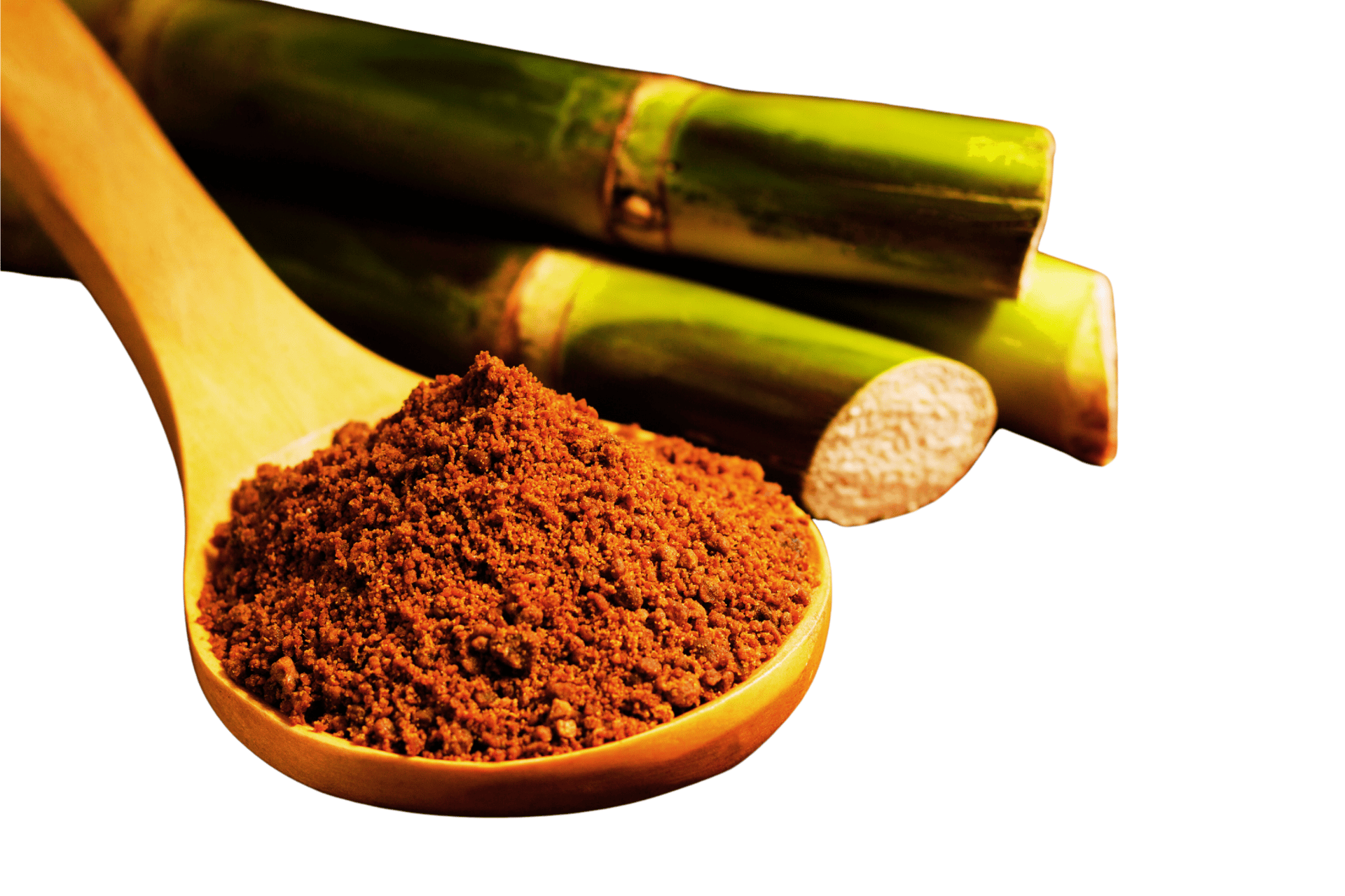
IS JAGGERY BENEFICIAL FOR HEALTH?
This articles describe my experience that jaggery is best for health.
WEIGHT LOSSBRAIN HEALTHCHIDREN NUTRITIONMENTAL HEALTHCHIDREN HEALTHHEALTH AND FITNESS
umefahad
5/24/20254 min read

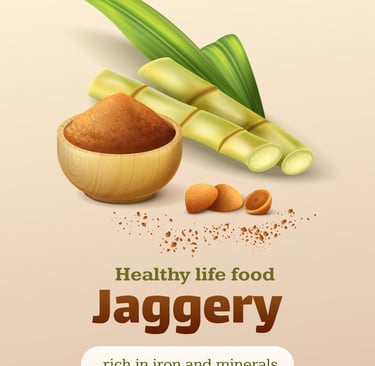
IS Jagerry beneficial for health?
As a mother, I've always been mindful of what goes into my child's diet. Time and again, I’ve heard the warnings—"Stay away from artificial sugar!"—and I took them seriously. After all, we all want the best for our little ones. But as I thought more about it, I realized that sugar, in some form, plays a vital role in a child's nutrition. Completely avoiding it might not be the answer—balance is key.
So, I chose to introduce natural alternatives, and jaggery caught my attention. But as I navigated this change, something unexpected happened: My child started showing signs of aggression and stubborn behavior. Was it just a phase, or was it something in his diet? I had to dig deeper.
Determined to understand, I immersed myself in research, analyzing meals, snacks, and daily activities. Was there a link between sweetness and behavior? Was jaggery helping or harming? This journey opened my eyes to the world of nutrition, health, and the delicate balance of what we feed our children.
In this blog, I share my insights, discoveries, and the lessons I’ve learned about natural sugars, jaggery, and their effects on children's health and behavior. If you’ve ever wondered about the impact of sugar, its alternatives, and how they influence little minds and bodies, you’re in the right place.
Natural Sugars (Fructose, Lactose, Glucose)
Found in: Fruits, milk, and vegetables.
Effects: These sugars come with essential nutrients like fiber, vitamins, and minerals, making them a healthier choice. They provide steady energy and support growth.
Considerations: While natural sugars are beneficial, excessive consumption—especially from fruit juices—can still contribute to weight gain and dental issues.
Added Sugars (Sucrose, High-Fructose Corn Syrup)
Found in: Processed foods, candies, sodas, and baked goods.
Effects: Excessive intake is linked to obesity, high blood pressure, Type 2 diabetes, and heart disease. It can also lead to energy crashes and mood swings.
Considerations: The American Heart Association recommends children aged 2-18 consume less than 25 grams (6 teaspoons) of added sugar per day.
Artificial Sweeteners (Aspartame, Sucralose)
Found in: Diet sodas, sugar-free snacks, and medications.
Effects: These sweeteners provide little to no calories but can alter gut bacteria and may cause digestive discomfort.
Considerations: While generally considered safe in small amounts, excessive use may lead to cravings for sweeter foods.
Impact on Behavior
Some studies suggest that high sugar intake can contribute to hyperactivity and mood swings in children, though research is mixed. A balanced diet with minimal processed sugars can help maintain stable energy levels and emotional well-being.
A high-sugar diet in childhood can lead to several long-term health issues, including:
1. Increased Risk of Obesity
Children who consume excessive sugar are more likely to develop obesity, which can persist into adulthood and increase the risk of heart disease and diabetes.
2. Cognitive and Behavioral Effects
Studies suggest that high sugar intake may contribute to hyperactivity, learning difficulties, and memory impairments. It can also lead to mood swings and difficulty concentrating.
3. Higher Risk of Type 2 Diabetes
Excess sugar consumption can lead to insulin resistance, increasing the likelihood of developing Type 2 diabetes later in life.
4. Dental Problems
Sugary foods and drinks feed bacteria in the mouth, leading to cavities and tooth decay, which can cause long-term oral health issues.
5. Increased Risk of Chronic Diseases
Long-term sugar consumption has been linked to chronic inflammation, high cholesterol, and fatty liver disease, increasing the risk of cardiovascular problems.
6. Poor Nutritional Habits
A diet high in sugar often replaces nutrient-rich foods, leading to deficiencies in essential vitamins and minerals crucial for growth and development.
Jaggery is indeed a natural sweetener packed with minerals, antioxidants, and other beneficial compounds. Unlike refined sugar, it offers nutritional value and supports digestion, immunity, and energy levels.
While jaggery has many advantages, moderation is always key—too much of any sweetener, even a natural one, can still affect blood sugar levels and overall health. As you incorporate it into your daily routine, balancing it with a nutrient-rich diet will ensure the best benefits for you and your family.
Benefits of jaggery.
Jaggery, a natural sweetener made from sugarcane or palm sap, offers several health benefits:
1. Rich in Nutrients
Jaggery contains essential minerals like iron, magnesium, potassium, and antioxidants, making it a healthier alternative to refined sugar.
2. Boosts Immunity
Packed with vitamins and minerals, jaggery helps strengthen the immune system and protect against infections.
3. Aids Digestion
Jaggery stimulates digestive enzymes, helping prevent constipation and promoting gut health.
4. Detoxifies the Body
It acts as a natural detoxifier, flushing out toxins from the liver and purifying the blood.
5. Regulates Blood Pressure
The potassium and magnesium in jaggery help maintain blood pressure levels and support heart health.
6. Provides Instant Energy
Unlike refined sugar, jaggery releases energy slowly, preventing sudden spikes and crashes in blood sugar levels.
7. Helps with Respiratory Health
Jaggery is known to soothe respiratory issues, making it beneficial for people with asthma or bronchitis.
8. Supports Bone Health
Its calcium and phosphorus content contribute to stronger bones and help prevent joint pain.
9. Reduces Menstrual Discomfort
Jaggery can help ease menstrual cramps by relaxing muscles and balancing hormones.
10. Improves Skin Health
Its antioxidants and minerals help maintain healthy skin by preventing acne and reducing signs of aging.Yes, you've touched on an important point—while jaggery is more natural and has additional health benefits compared to artificial sugar, moderation is still key.
For diabetic patients, even though jaggery is less processed, it still affects blood sugar levels, so they should use it in very small quantities or consult their doctor before incorporating it into their diet.
For those looking to manage weight, jaggery is preferable to refined sugar because it contains minerals that help digestion and metabolism. However, it’s still a form of sugar, meaning excessive consumption can contribute to weight gain if not balanced with an active lifestyle.
The good news is that jaggery is generally a better option when used properly, especially in a well-rounded diet. It has fewer harmful effects compared to refined sugar and artificial sweeteners, but using it wisely—without overconsumption—ensures maximum benefits.
CONCLUSION.
Jaggery stands out as a natural and healthier alternative to refined sugar and artificial sweeteners, offering numerous benefits with fewer harmful effects. While it provides essential nutrients, aids digestion, and boosts immunity, moderation is key, especially for those with diabetes or weight concerns.
When used properly in daily life, jaggery can be a sweet yet balanced addition to a healthy diet. Unlike artificial sugars, which may cause long-term health risks, jaggery supports overall well-being while satisfying the need for sweetness.
By making thoughtful dietary choices, we can embrace jaggery's advantages while ensuring our family's health remains a priority. A small shift towards natural sweeteners can lead to a better, healthier future.