

collegans
Are collegans good or bad?
HEALTH AND FITNESSCOLLAGEN
umefahad
4/30/20254 min read
My post content
WHAT IS COLLAGEN?
Collagen is a structural protein that makes up nearly one-third of the body’s total protein content. It serves as the primary component of connective tissues, including skin, bones, tendons, ligaments, and cartilage. Often described as the body’s natural scaffolding, collagen provides strength, elasticity, and cohesion to tissues, helping to maintain their firmness and flexibility.
Top 24 Collagen-Rich and Collagen-Boosting Foods for Skin, Joints, and Overall Health.
1. Bone Broth
Made by simmering animal bones and connective tissues, bone broth is rich in collagen, amino acids, and minerals. Regular consumption can support joint health and skin elasticity.
2. Citrus Fruits
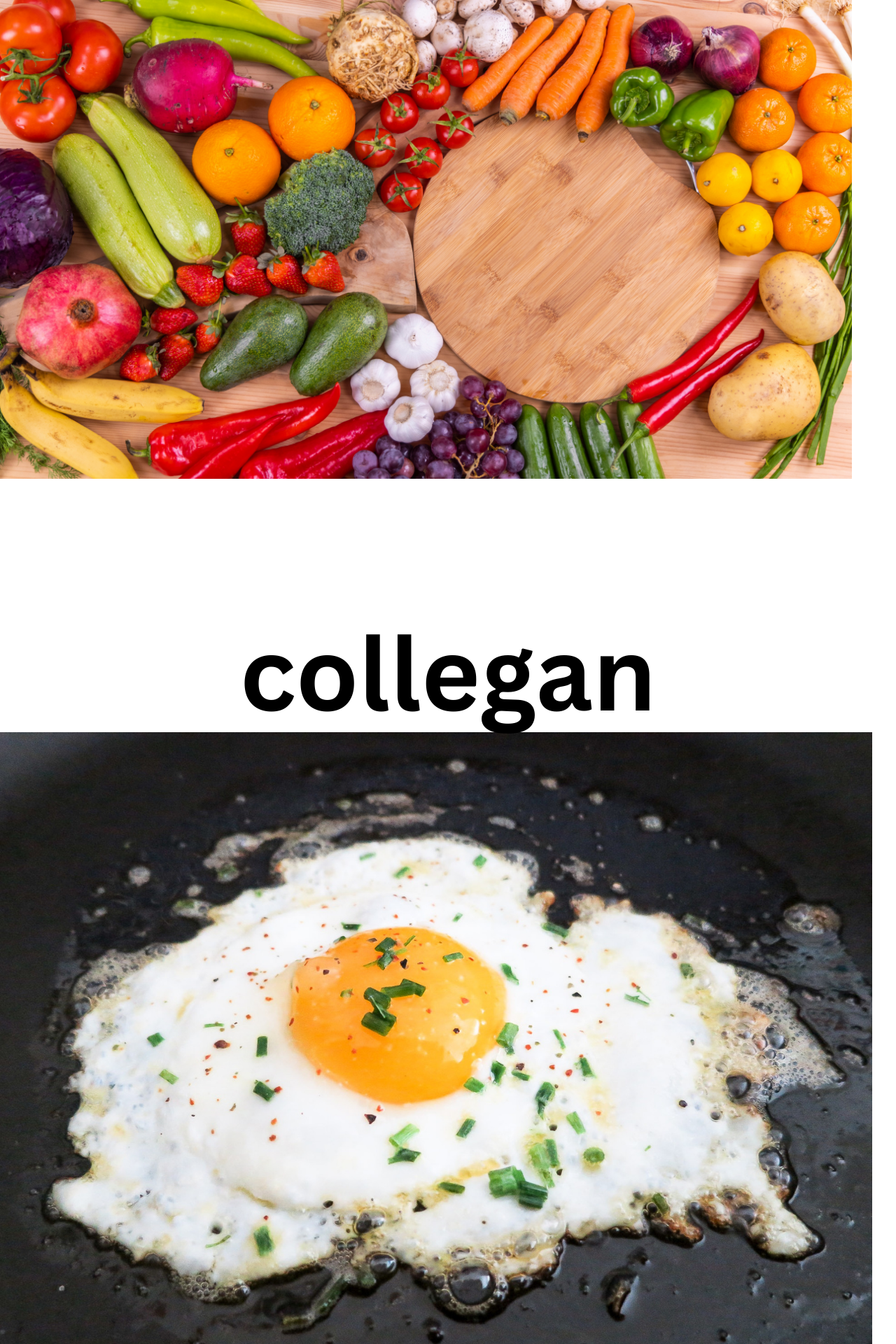
Oranges, lemons, limes, and grapefruits are high in vitamin C, a crucial nutrient for collagen synthesis. Vitamin C acts as a co-factor for the enzymes involved in collagen formation.
3. Egg Whites
Egg whites are abundant in proline, an amino acid essential for collagen production. Including them in your diet can aid in maintaining skin and joint health.
4. Leafy Greens
Vegetables like spinach, kale, and arugula are rich in chlorophyll and antioxidants, which may increase collagen precursors in the skin. Dr. Axe
5. Berries
Strawberries, blueberries, raspberries, and blackberries are packed with vitamin C and antioxidants, supporting collagen production and protecting against skin damage.
6. Garlic
Garlic contains sulfur compounds that may help synthesize and prevent the breakdown of collagen. It also provides taurine and lipoic acid, which support damaged collagen fibers.
7. Fish
Fish, especially those with skin like salmon and sardines, are rich in type I collagen. Fish skin contains a high concentration of collagen peptides.
8. Chicken
Chicken, particularly the skin and cartilage, is a good source of type II collagen, beneficial for joint health.
9. Tomatoes
Tomatoes are high in vitamin C and lycopene, an antioxidant that may protect skin from sun damage and support collagen strength.
10. Bell Peppers
Red, yellow, and green bell peppers are excellent sources of vitamin C and contain capsaicin, which may have anti-aging properties. Dr. Axe
11. Nuts and Seeds
Nuts like cashews and seeds such as pumpkin seeds provide zinc and copper, minerals essential for collagen production. Dr. Axe
12. Organ Meats
Organ meats like liver and heart are rich in collagen and other nutrients that support skin and joint health.
13. Avocado
Avocados are high in vitamin E and healthy fats, which can help protect existing collagen and support skin health.
14. Beans
Beans are a good source of protein and contain amino acids necessary for collagen synthesis. They also provide copper, which supports collagen production. Dr. Axe
15. Chicken Skin
Chicken skin is rich in collagen, particularly type II, which supports joint and cartilage health. Dr. Axe
16. Legumes
Legumes like lentils and chickpeas provide protein and nutrients that support collagen synthesis. Dr. Axe
17. Oysters
Oysters are high in zinc, a mineral that plays a vital role in collagen production and skin repair. Dr. Axe
18. Red and Yellow Vegetables
Vegetables like carrots and sweet potatoes are rich in vitamin A, which may help restore damaged collagen.
19. Shellfish
Shellfish such as shrimp and crab contain collagen in their shells and are also rich in zinc.
20. Cashews
Cashews provide zinc and copper, both of which are essential for collagen production. Dr. Axe
21. Oily Fish
Oily fish like mackerel and salmon are rich in omega-3 fatty acids, which can help maintain skin health and protect collagen.
22. Pork Rinds
Pork rinds are made from pig skin and are a direct source of collagen. New York Post
23. Pumpkin Seeds
Pumpkin seeds are high in zinc and other nutrients that support collagen synthesis. Dr. Axe
24. Gelatin
Gelatin is derived from collagen and is used in various culinary applications. Consuming gelatin can provide the body with the amino acids needed for collagen production. Dr.Axe.
Comprehensive Benefits of Collagen
1. Skin Health & Anti-Aging Support
Collagen is a vital structural protein that maintains skin elasticity, hydration, and firmness. Supplementing with collagen can reduce the appearance of wrinkles, support a youthful complexion, and delay signs of aging.
2. Joint Health & Pain Reduction
Collagen plays a crucial role in maintaining the integrity of cartilage, the tissue that protects joints. Regular intake may help reduce joint inflammation, improve flexibility, and alleviate discomfort associated with aging or physical activity.
3. Boosts Muscle Mass
Collagen contains amino acids such as glycine and arginine that contribute to muscle growth and repair. It is particularly beneficial when combined with resistance training, enhancing muscle mass and strength.
4. Stronger Bones & Bone Loss Prevention
Collagen provides structural support to bones. It enhances bone mineral density and reduces the risk of bone-related disorders like osteoporosis by maintaining bone strength and resilience.
5. Supports Hair Growth & Thickness
Collagen helps maintain a healthy dermis, the layer of skin where hair follicles reside. This promotes stronger, thicker, and shinier hair, reducing hair breakage and thinning.
6. Healthier Nails
Supplementing with collagen can improve nail strength, reduce brittleness, and promote faster nail growth by supporting the keratin infrastructure.
7. Heart Health
Collagen contributes to the structure of arteries and blood vessels. It helps maintain flexibility and strength in the vascular system, reducing the risk of cardiovascular complications.
8. Digestive & Gut Health
The amino acids in collagen, particularly glutamine, support the gut lining, improve digestion, and may assist in healing leaky gut syndrome.
9. Weight Management Support
Collagen peptides may promote satiety and help control appetite, aiding in weight management when included in a balanced diet and lifestyle.
10. Brain Function & Cognitive Health
Glycine, an abundant amino acid in collagen, plays a role in neurotransmission and may contribute to better sleep, reduced anxiety, and improved cognitive function.
11. Enhanced Wound Healing
Collagen is essential for skin regeneration and tissue repair, making it effective in accelerating wound healing and reducing scar formation.
12. Collagen Peptides: Fast Absorption & Bioavailability
Hydrolyzed collagen peptides are easily absorbed by the body, making them an efficient way to deliver the full benefits of collagen through supplements.
CONCLUSION.
In overall collagen is more important element for healthy body .We should use it in our daily routine life specially 20 years old an above.